
Essential Definitions to Better Understand Key Concepts in Mental Health
The trivialization of sexual violence, the stigma surrounding mental disorders, and the weight of silence — these realities have real consequences for individuals and communities. Understanding concepts such as rape culture, social isolation, or psychological defense mechanisms help to identify invisible yet common issues. This page aims to raise awareness, inform, and offer avenues for reflection to help build a fairer, more empathetic, and more conscious society.
Understanding Mental Health
Issues and definitions
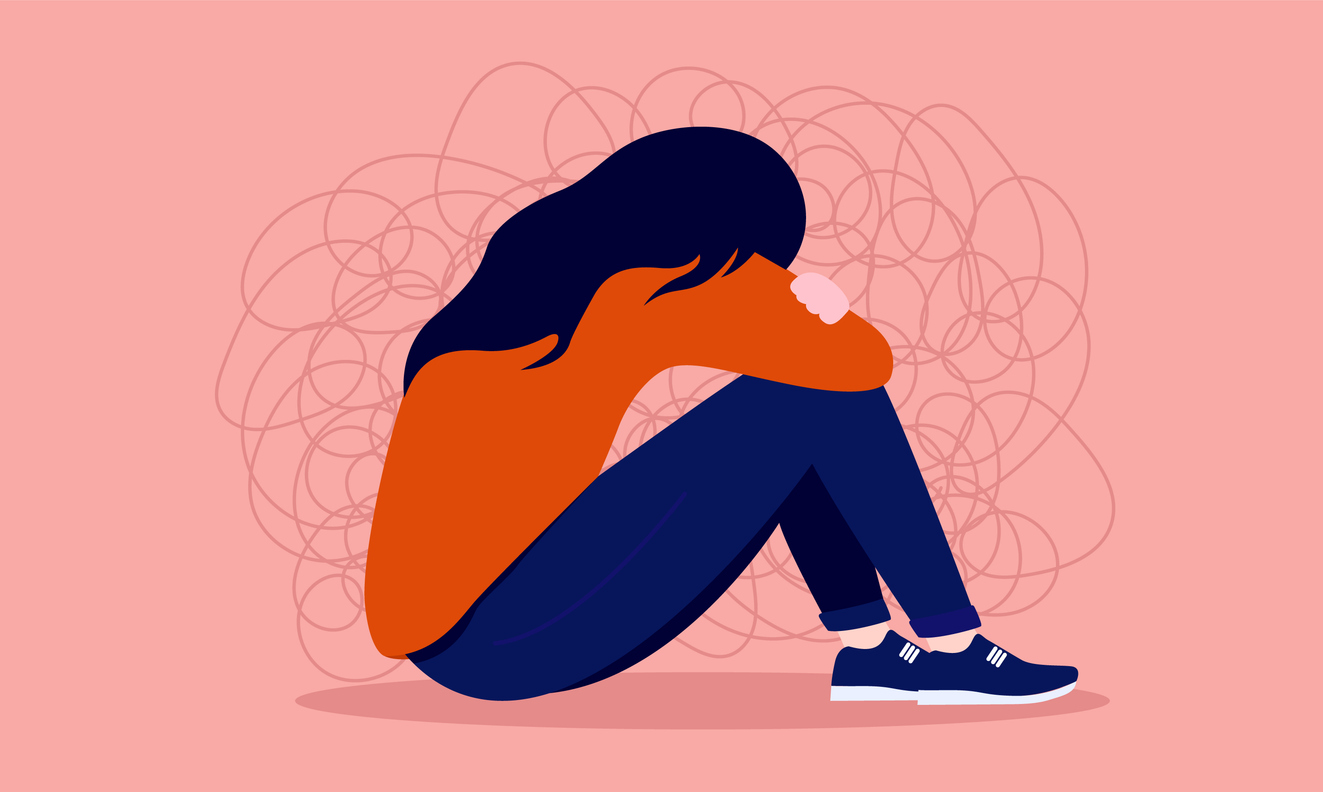
What is rape culture?
It’s a social environment where sexual violence is trivialized, normalized, or excused. It shows up in jokes, media, institutions, schools, laws… Victims are often blamed or ignored, while aggressors may be protected — especially those with power or influence. Rape culture reinforces gender stereotypes, silencing victims, and the fear of speaking out. Recognizing it is the first step toward change : promoting consent, believing victims, and questioning toxic norms.
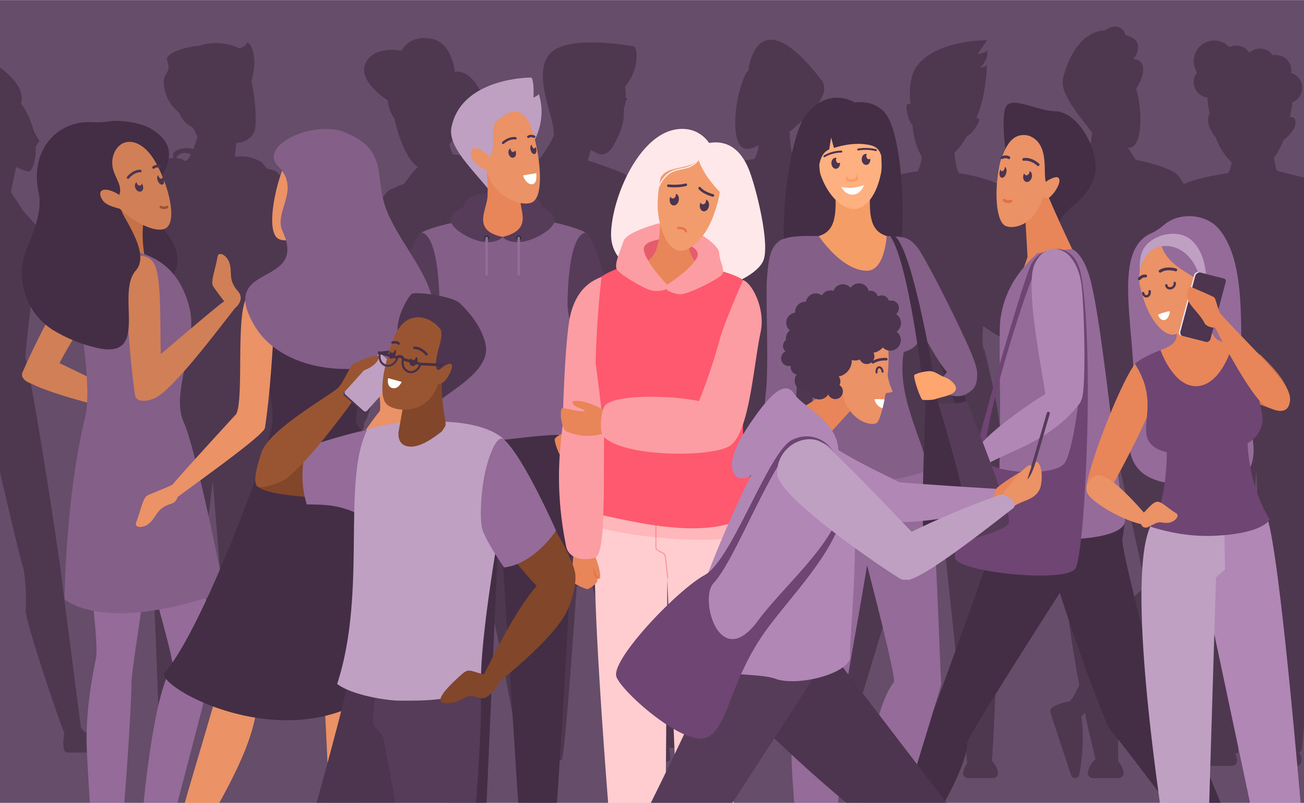
What is social isolation?
It’s the lack or absence of meaningful social relationships. It can be voluntary (like someone choosing to be alone) or involuntary (like an elderly person isolated against their will). Isolation is sometimes invisible, but its effects are real: emotional distress, low self-esteem, depression, anxietyCombating isolation means creating connectionsreaching out, and building more human-centered communities.
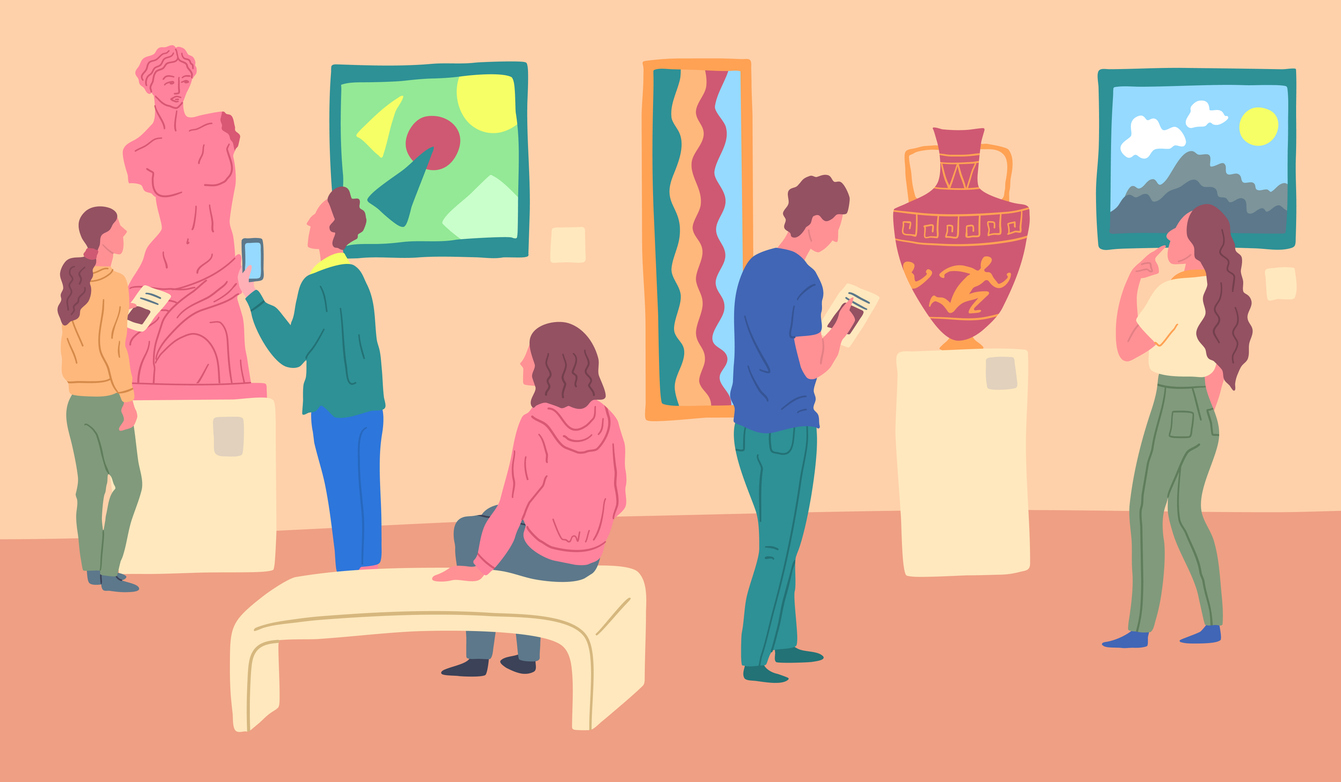
What is sublimation?
Sublimation is transforming negative energy (anger, sadness, impulses) into constructive action. Examples: painting after a breakup, dancing to release stress, writing to express distress. It’s a healthy mechanism that helps manage emotions without repressing them. When used consciously, sublimation becomes a powerful tool for inner liberation, reducing anxiety, and restoring balance.
Author: Virginie Gagnon – Oxfam-Québec
Feminism and Men
Let’s clarify one thing: feminism ’s goal is toachieve equality between women and men in all areas —political, economic, legal, social, cultural, and beyond. It’s not a movement against men, but one for equal rights. The goal is to live in a society where sex or gender doesn’t limit anyone’s opportunities or choices— whether you’re a man, woman, or transgender person.
Feminism doesn’t target individuals; it challenges the social norms and structures that allow sexism to persist. It addresses discrimination faced by women because of their gender, not to create new discrimination against menSome men say they feel excluded from the movement, but that’s often due to a misunderstanding of what feminism really is — and of what they, too, stand to gain by supporting it.
Feminism seeks to deconstruct gender. In other words, it aims to stop assigning characteristics to people based on their gender. In short, the goal is for everyone to be free to define their own identity !
Click the + to learn more!
Myths & Realities About Mental Health
Myth: Mental disorders are a sign of weakness.
Reality: They can affect anyone, regardless of strength or willpower. They’re medical conditions, not character flaws.
Myth: Talking about mental health is exaggerating or seeking attention.
Reality: Opening up the conversation saves lives. Psychological suffering is real and deserves to be heard.
Myth: If you have a good support system, you can’t get depressed.
Reality: Good support helps, but it doesn’t replace proper treatment. Depression isn’t always linked to one’s environment.
Myth: People in therapy are “crazy”.
Reality: Going to therapy means taking care of yourself. It’s an act of courage and prevention, not a sign of madness.