Emotional Blackmail: Signs, Examples, and How to Deal With It
When saying no becomes difficult
When Love Becomes a Means of Pressure
Changing your plans to please someone, giving up an outing to avoid an argument, or reconsidering a decision because it might disappoint someone you care about: these kinds of small adjustments are part of any relationship, and there is nothing inherently wrong with them. Taking someone else’s feelings into account is also part of being in a romantic relationship, a family, or a friendship.
But things change when these efforts stop being spontaneous and become a way to avoid a reaction, criticism, or argument. Over time, you may find yourself thinking less about what you want and more about how the other person will react if you say no. That is when a relationship begins to lose something essential: the freedom to make choices without fearing the consequences.
This is what we call emotional blackmail : a form of pressure that uses feelings, attachment, or guilt to get someone to do something.
What Does It Look Like?
Emotional blackmail does not always take the form of an obvious threat. Instead, it often slips into everyday phrases such as “After everything I’ve done for you” or “If you really loved me, you would do it.” These statements may seem like things said in the heat of the moment, but when they become a recurring pattern, they can gradually change the nature of a relationship.
In practice, emotional blackmail combines several things: the fear of losing someone, guilt, and a sense of indebtedness that can lead someone to agree to something not because they genuinely want to, but because they fear what will happen if they refuse. Saying “yes” then becomes a way to protect the relationshiprather than a genuine choice.
That is also why a phrase like “If you really loved me” can carry so much weight: it turns a response into proof of love. Saying no no longer feels like a simple disagreement; instead, it can feel as though you are hurting or betraying the other person.
An Emotion Is Not Necessarily Emotional Blackmail
The difficulty is that all of this can easily be confused with ordinary emotions, because someone can feel disappointed, sad, or angry without necessarily trying to control another person. Expressing sadness or disagreement is normal in a relationship, and it does not mean someone is trying to force another person to change their mind.
Ce qui fait la différence, c’est ce qui vient après : « je suis déçu que tu ne viennes pas » laisse encore à l’autre la liberté de garder sa décision, tandis que « si tu ne viens pas, c’est que tu ne tiens pas à moi » transforme le refus en preuve qu’on aime moins. Tant qu’une demande peut être refusée sans que ça entraîne des reproches, du silence ou une remise en question de l’amour, elle reste une demande.
How It Gradually Takes Hold
This boundary can be so subtle that emotional blackmail develops without anyone noticing. A somewhat harsh remark goes unchallenged, then another comes a few weeks later. Before long, you may find yourself avoiding certain topics or outings because you already know the reaction they will provoke.
What makes this pattern so difficult to recognize from within the relationship is that periods of tension are often followed by apologies and good times. These moments of tenderness can make it seem as though the earlier incidents were not that serious. Sometimes, the guilt even shifts from one person to the other through statements like “You’re the reason I’m like this,” eventually leading someone to wonder whether they are partly responsible for what they are experiencing.
The problem is that these small adjustments gradually take up more and more space. This pattern can slowly become isolating: you see your friends less often and give up certain projects, until you find yourself organizing your life around what you want to avoid rather than what you truly want.

Does It Look the Same in Every Relationship?
Emotional blackmail does not take the same form in every relationship:
- In romantic relationships: It often revolves around outings or decisions made without consulting the other person. A phrase like “Do whatever you want” may conceal consequences that will surface later.
- In friendships: It may involve a sense of indebtedness, when past favours are later used to demand more time and availability.
- In families: It often revolves around sacrifices made for children or a sense of loyalty that is supposedly owed to one's parents.
- On social media: It may involve a need to constantly know where the other person is or to receive an immediate response to every message.
None of these behaviours, on its own, is enough to establish that emotional blackmail is taking place. What matters is how much freedom the other person truly has and what happens when they say no.
How Can You Get a Clearer Picture?
A few guidelines can help:
- Pay attention to what happens when you say no: The other person may feel disappointed, but can you still have a conversation afterward, or does it almost always turn into criticism and silence?
- Take some time before responding:For example, you can say, “I need some time to think about it,” creating space between the emotions of the moment and your decision.
- Write down what happened: Putting a difficult experience into words can often help you better understand a pattern that is hard to make sense of from within the relationship.
- Talk to someone you trust or a professional.
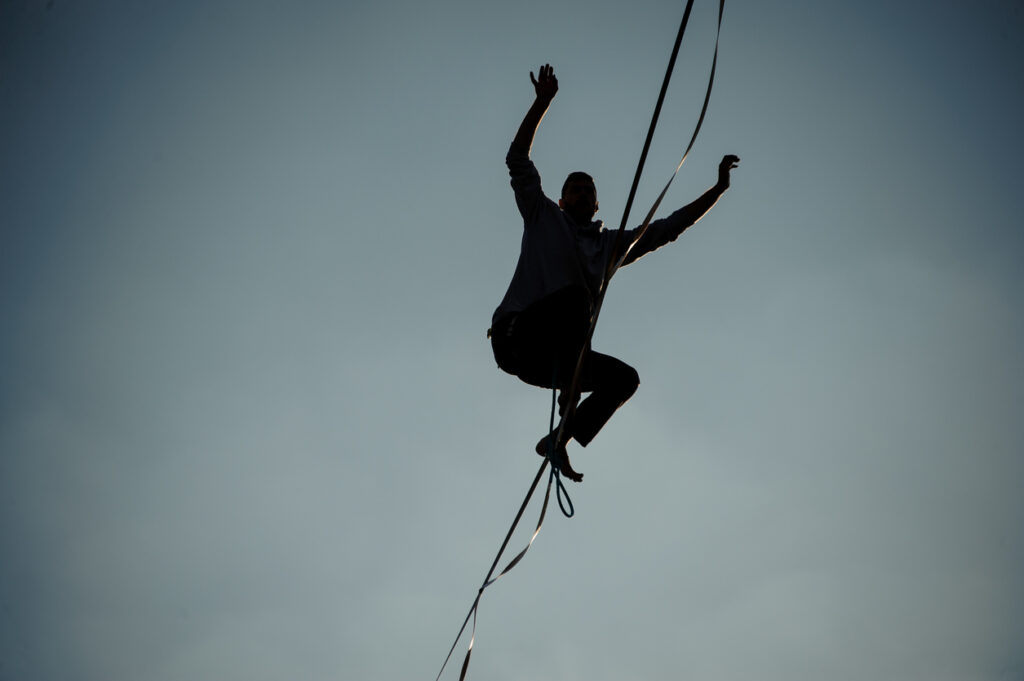
That said, understanding emotional blackmail does not mean seeing manipulation in every argument. Every relationship has its tensions, and that is normal. What matters is maintaining the freedom to make your own choices, even when they disappoint someone else; loving someone without always agreeing with them; acknowledging their disappointment without automatically changing your mind; and making compromises without feeling that their love depends on your willingness to give in.
In a healthy relationship, saying “no” may be disappointing, but it remains an option. However, when saying no becomes almost impossible because it consistently leads to guilt, fear, or the threat of losing everything, the issue is no longer simply about making a decision. It is about the freedom to make one.
If the situation becomes serious, particularly if someone threatens to hurt themselves, their loved ones should not have to manage the situation alone. It is best to seek help promptly from a mental health professional or emergency services.
About the Author of This Blog
Soukayna Msieh is a clinical psychologist and psychopedagogue with a keen interest in human interactions and relationship dynamics. Her systemic approach places each individual within the context of their environment, taking into account the relationships that surround them and shape who they are.
Sources and References
- Susan Forward et Donna Frazier, Le chantage affectif : quand ceux que nous aimons nous manipulent, InterÉditions. Original : Emotional Blackmail, HarperCollins, 1997.
- Marie-France Hirigoyen, Le harcèlement moral : la violence perverse au quotidien, Syros, 1998.
- Ariane Calvo, Le décodeur des violences psychologiques, First Éditions, 2019.
- James W. Pennebaker et Sandra K. Beall, « Confronting a traumatic event: Toward an understanding of inhibition and disease », Journal of Abnormal Psychology, vol. 95, n° 3, 1986.
Magie B. – Trésorière
Administratrice agréée, Magie accompagne les PME dans la structuration de leurs projets et l’optimisation de leur gestion administrative. Son approche, multidisciplinaire et innovante, est teintée d’intelligence émotionnelle. Pour elle, une bonne gestion d’entreprise débute par le développement de soi.
Soukayna M. – Conseillère scientifique en santé mentale
Soukayna Msieh is a clinical psychologist and psychopedagogue with a keen interest in human interactions and relationship dynamics. Her systemic approach places each individual within the context of their environment, taking into account the relationships that surround them and shape who they are.
Kim C. – Scientific Advisor in Mental Health
Kim is a fourth-year student pursuing a bachelor's degree in special education, with a focus on elementary and secondary education, at UQAC. She is also completing minors in psychology and English linguistics. Her involvement in a research project allows her to deepen her knowledge and further develop her interest in understanding human functioning. She is particularly interested in neuropsychology, neuroscience, and mental health, especially the effects of trauma.
Aleks N. – Illustrator and Graphic Designer
As a freelance illustrator and graphic designer, Aleks uses art to express and convey various emotions and complex concepts related to mental health. He creates visuals for Angle Psy’s advertising and awareness project focused on rape culture.
Main responsibilities:
- Develop the second phase of the website, including building an interactive bulletin board (free and paid sections).
- Create, edit, and optimize audiovisual content (videos, web clips, animations).
- Participate in the production of the podcast La Révolution des tomates (social media rollout preparation).
- Create sketches and moodboards for the character designs for game or animation projects.
- Create 2D/3D graphic assets aligned with the organization’s mission.
- Collaborate with the artistic team to ensure production consistency.
Profile and requirements:
- Training or experience in multimedia, graphic design, or audiovisual production.
- Proficiency in design software (Adobe Suite, Blender, WordPress/Wix).
- Creativity, autonomy, and a collaborative spirit.
- Administrative requirement: Provide a valid Social Insurance Number (SIN).
Conditions:
- Salary: $16.60/hour.
- Durée : 9 semaines consécutives.
- Schedule: 30 hours per week.
- Start date: May 18, 2026.
- Location: Remote work.
Main responsibilities:
- Plan and coordinate fundraising campaigns using digital tools (Zoom, Teams, emails).
- Prepare and distribute digital promotional materials (newsletters, social media content).
- Contact and follow up with donors and partners (calls, video conferences).
- Manage the logistics of online fundraising events (webinars, donation campaigns).
- Maintain up-to-date donor databases on digital platforms.
- Collaborate with the communications team to align awareness initiatives.
- Produce reports on campaign results and impact.
- Strictly adhere to confidentiality and ethics policies.
Profile and requirements:
- Studies in management, administration, or community work.
- Rigor, strong organizational skills, and technological proficiency.
- Commitment to Angle Psy’s social mission.
- Administrative requirement: Provide a valid Social Insurance Number (SIN).
Conditions:
- Salary: $16.60/hour.
- Durée : 9 semaines consécutives.
- Schedule: 30 hours per week.
- Start date: May 18, 2026.
- Location: Remote work.
Main responsibilities:
- Develop and plan promotional campaigns for Angle Psy’s services.
- Identify and target client segments (schools, administrators) and partners.
- Create and distribute promotional materials (brochures, emails, social media content, posters).
- Actively promote on the ground (distribute flyers, integrate into the local ecosystem).
- Manage sales and maintain relationship follow-up with prospects.
- Present the positioning and project to the city and local stakeholders.
- Measure campaign effectiveness and produce a report with future recommendations.
Profile and requirements:
- Profile sought in sales, communication, or negotiation.
- Strong emotional intelligence and persuasion skills.
- Ability to travel locally.
- Administrative requirement: Provide a valid Social Insurance Number (SIN).
Conditions:
- Salary: $16.60/hour.
- Durée : 9 semaines consécutives.
- Schedule: 30 hours per week.
- Start date: May 18, 2026.
- Location: Remote work.
Main responsibilities:
- Write and schedule social media content (LinkedIn, Facebook, Instagram, TikTok).
- Participate in the creation of visuals while respecting the brand guidelines.
- Manage media communications and contribute to the overall strategy to reach the target audience.
- Support the preparation of marketing operations (client outreach, webinars, podcasts).
- Research new content ideas and contribute to video strategy.
- Deploy campaigns on Google Ads and analyze results via a dashboard.
- Promote the podcast La Révolution des tomates and seek out sponsors.
- Represent the organization at promotional events.
Profile and requirements:
- Education in marketing, communications, or a related field.
- Design skills (Canva/Adobe) and proficiency in Google Ads (asset).
- Awareness of social issues.
- Administrative requirement: Provide a valid Social Insurance Number (SIN).
Conditions:
- Location: Remote work.
- Salary: $16.60/hour.
- Durée : 9 semaines consécutives.
- Schedule: 30 hours per week.
- Start date: May 18, 2026.
Édouard G. – Multimedia Integration Intern
Édouard is a final-year student in Multimedia Integration Technology at Cégep Édouard-Montpetit. He contributes to Angle Psy through website improvement, visual content creation, and video editing. He also has a background in social sciences, which reflects his interest in mental health-related issues. He has a particular interest in visual design and video, which he applies to creating current, accessible content aligned with the organization’s mission.
Xavier D. – Social Media Manager
Holder of a minor in digital music and trained in film studies, Xavier is currently pursuing studies in psychology at UQAM. At Angle Psy, he works as a social media content creator and also contributes as a psychology consultant on various projects. Driven by a strong interest in raising awareness about psychosocial issues, he leverages his audiovisual expertise and knowledge of psychology to create content that is accessible, dynamic, and meaningful.
Ian R. –Social Media Manager
Ian is responsible for LinkedIn management at Angle Psy. He designs and adapts visual and editorial content aimed at supporting awareness, information, and dialogue on mental health issues. His approach combines clarity, visual coherence, and a human dimension to make messages accessible, engaging, and impactful.
Bianca L. – Counselor
Bianca is a bachelor’s student in sexology at UQAM and has been working for several years in community intervention, primarily with women from diverse backgrounds. She has a particular interest in issues related to sexual and interpersonal victimization, as well as social justice. Her approach is feminist, inclusive, and focused on harm reduction, emphasizing the autonomy and empowerment of the people she supports.
Paola L-R. – Graphic Designer
Paola is a graphic designer specializing in visual communication and social media. She creates Instagram content that combines meaning, aesthetics, and clarity, ensuring that each message is accessible and engaging. She is currently collaborating with Angle Psy, where she applies her creativity to deliver communication that is human, coherent, and thoughtful.
Emmanuel A. – Public Relations Manager
Emmanuel is a computer and network engineer and works as a web developer in the transportation and logistics sector. Within our nonprofit organization, he serves as Public Relations Manager, where he leverages his technical rigor and understanding of strategic issues in support of the organization’s mission. He uses his digital expertise to foster connections between technology and community engagement in Montreal.
Sana B. T. – HR and Strategic Advisor
A human resources professional and Recruitment Manager at Angle Psy, Sana contributes to the structuring and growth of a team dedicated to youth mental health. She supports the organization in implementing consistent and rigorous human resources practices aligned with its social mission. She also acts as a strategic advisor to the Board of Directors.
Sarah-Maude L. – Marketing Manager
Sarah-Maude is pursuing a Bachelor of Business Administration (B.B.A.) through a cumulative degree program at UQAR and primarily contributes to Angle Psy’s marketing efforts. Driven by a desire to help the organization grow and gain visibility, she brings her creativity and passion for transparency to the team. While she cares deeply about several causes, she has a particular interest in mental health and the issues surrounding it.
Steve L. – Research and Development
A systems administrator in the public transportation sector, he possesses technical expertise supported by a multidisciplinary approach. His previous experience as a manager in the manufacturing industry allowed him to develop a deep understanding of operations, organizational efficiency, and team management. With a background in pedagogy, he is able to simplify technical concepts and foster collaboration. Solution-oriented, he stands out for his communication skills, rigor, and versatility. He operates effectively in environments where reliability, adaptability, and a service mindset are required, bridging the technical, human, and organizational aspects.
Marie-Ève N. – Scientific Advisor in Mental Health
A psychology student, she has been working in youth intervention for nearly three years. Her hands-on experience leads her to take on new challenges within Angle Psy. Sensitive to issues of psychological well-being, she is involved with the team to help raise awareness about mental health and the issues related to rape culture.
Micheline A. – Grants Manager
With several years of experience in the administrative and financial fields, she also holds training in human resources. She stands out for her strong communication skills as well as solid relational and interpersonal abilities. She is proficient in a variety of computer tools, including the Office Suite, AS400, web environments, and social media, and demonstrates a strong ability to adapt to new systems. Actively engaged in community and associative life, she places great importance on human connections, making her a key resource when it comes to providing support and guidance to families and loved ones.
Communications and Digital Manager
The Communications and Digital Manager will be responsible for:
- Developing and implementing Angle Psy’s overall communication and digital strategy (internal and external).
- Managing, animating, and growing the organization’s presence across various platforms (social media, website, newsletters).
- Creating, writing, and distributing relevant and engaging content (articles, visuals, short videos) aligned with the mission and brand image.
- Ensuring message consistency and adherence to the editorial line across all channels.
- Collaborating closely with the Board of Directors and volunteers to promote events, projects, and achievements.
- Measuring the effectiveness of communication actions (metrics, engagement) and recommending strategic adjustments.
- Safeguarding the organization’s online reputation and professionally managing online interactions.
- Identifying opportunities for digital partnerships and innovation in communication tools.
Desired profile
- Significant experience (2 years preferred, volunteer or professional) in community management, content creation, or digital communication.
- Strong proficiency in social media platforms (Instagram, Facebook, LinkedIn, etc.) and associated analytics tools.
- Proven skills in web writing, storytelling and basic visual content creation (Canva or equivalent).
- Creativity, autonomy, and initiative to propose innovative ideas.
- Excellent oral and written communication skills in French (ability to synthesize complex messages).
- Comfortable with collaborative digital tools (Google Workspace, content/calendar management tools).
- Strong listening skills, rigor, and integrity, particularly when addressing sensitive topics (mental health, violence).
- Strong commitment to Angle Psy’s mission and human/social values.
Volunteering conditions
- 100% remote position.
- Approximately 4–5 hours per week.
- Mandatory availability on Sundays from 10:30 AM to 12:00 PM (online team meeting).
- Flexible schedule for content creation and management tasks.
- Availability to support the team and respond to occasional communication urgencies.
What we offer
- The opportunity to contribute directly to a meaningful cause in mental health and combating sexual violence culture.
- Enriching experience in digital project management, communication strategy, and brand management.
- The chance to develop a portfolio of concrete achievements and expand your professional network.
- Volunteer certificate and possibility of a letter of recommendation.
- An inclusive, passionate, and creative team where your expertise truly matters.
- Recognition for a supportive, inspiring, and socially impactful commitment.
Main responsibilities
We are looking for someone passionate about digital advertising who wants to put their expertise to work for a social and cultural cause.
The Google Ads specialist will be responsible for:
- Set up, manage, and optimize Google Ads campaigns (Search, Display, YouTube) to effectively reach young adults.
- Conduct keyword analyses and target the right audiences.
- Monitor performance (click-through rates, conversions, visibility) and suggest adjustments.
- Produce a brief weekly report for the team.
- Bring ideas to improve Angle Psy’s visibility in the digital space.
Desired profile
- Experience in managing Google Ads campaigns (preferred).
- Basic knowledge of Google Analytics.
- Interest in digital marketing and social causes.
- Autonomy, rigor, and a collaborative spirit.
- Awareness of issues related to mental health and sexual assault culture.
Volunteering conditions
- 100% remote position.
- Approximately 4 hours per week.
- Mandatory availability on Sundays from 10:30 AM to 12:00 PM (online team meeting).
- Flexible schedule for the rest of the tasks.
What we offer
- The opportunity to contribute to a meaningful cause.
- Hands-on and rewarding experience in digital advertising within the community and cultural sector.
- Volunteer certificate and possibility of a letter of recommendation.
- A committed, passionate, and creative team where your ideas matter.
Main responsibilities
Angle Psy est à la recherche d’une personne experte en psychologie, santé mentale ou psychoéducation afin d’assurer la fiabilité, la rigueur scientifique et la pertinence sociale des contenus que nous produisons et diffusons.
Le ou la Conseiller·ère scientifique aura pour rôle de :
- Encadrer et valider les contenus (articles, vidéos, ateliers, publications) pour garantir leur fiabilité et leur alignement avec les connaissances actuelles en santé mentale.
- S’assurer que les messages diffusés soient adaptés à un public jeune adulte (16-30 ans).
- Apporter un regard critique et professionnel pour améliorer la qualité et la précision des informations.
- Collaborer avec l’équipe créative et multimédia afin d’intégrer des données justes et accessibles.
- Proposer des pistes d’amélioration et de nouvelles références scientifiques ou cliniques.
- Participer à la création d’un cadre éthique et inclusif pour la diffusion des contenus liés à la santé mentale et à la lutte contre la culture du viol.
Desired profile
- Formation universitaire en psychologie, santé mentale, psychoéducation, travail social ou domaine connexe.
- Expérience en intervention, recherche, enseignement ou vulgarisation scientifique.
- Capacité à vulgariser des concepts complexes pour un public jeune et diversifié.
- Sens de l’éthique, rigueur scientifique et esprit critique.
- Awareness of social issues (mental health, equality, combating sexual violence culture).
- Autonomie, capacité d’analyse et esprit collaboratif.
Volunteering conditions
- 100% remote position..
- Approximately 4 hours per week.
- Mandatory online team meeting on Sundays from 10:30 AM to 12:00 PM.
- Horaire flexible pour les autres tâches (lecture, validation, recommandations).
What we offer
- L’occasion de contribuer à une cause porteuse de sens, en s’assurant que des contenus fiables et de qualité circulent auprès des jeunes.
- Une expérience enrichissante en conseil scientifique et validation de contenus dans le milieu communautaire et culturel.
- La possibilité de valoriser son expertise dans des projets concrets (cinéma, arts, ateliers, réseaux sociaux).
- Volunteer certificate and possibility of a letter of recommendation.
- Une équipe passionnée, inclusive et créative qui valorise vos connaissances.
Main responsibilities
We are looking for someone passionate about multimedia creation who wants to put their talent to work for a social and cultural cause.
The Multimedia Manager will be responsible for:
- Creating, editing, and optimizing audiovisual content (videos, photos, animations, web clips).
- Designing visuals and graphic materials for social media and events.
- Participating in video and audio capture (cameras, lighting, sound recording).
- Performing editing, sound mixing, and color grading.
- Developing 2D/3D content (animation, modeling, realistic rendering).
- Managing and enhancing the organization’s digital presence (website, social media, streaming platforms).
- Setting up online broadcasts (streaming, webcasts, interactive clips).
- Collaborating with the artistic and social team to produce content aligned with Angle Psy’s mission.
Desired profile
- Education or experience in multimedia, audiovisual, graphic design, or visual communication.
- Proficiency with the following software and techniques:
- Editing & Motion Design: Adobe Premiere Pro, After Effects, Final Cut Pro, DaVinci Resolve.
- Graphics: Photoshop, Illustrator, InDesign, Canva Pro.
- Audio: Adobe Audition, Pro Tools, Reaper (mixing, audio editing)
- 2D / 3D : Blender, Cinema 4D, Maya, Unity, Unreal Engine, rendering software (V-Ray, Octane, Redshift)
- Online broadcasting: OBS Studio, Restream, YouTube/Facebook Live.
- Basic web: WordPress, Wix, or equivalents.
- Awareness of social issues (mental health, equality, combating sexual violence culture).
- Creativity, autonomy, and a collaborative spirit.
- Knowledge of copyright and licensing (images, music, videos) – an asset.
- Experience in cultural, artistic, or community settings – a plus.
Volunteering conditions
- 100% remote position.
- Approximately 4 hours per week.
- Mandatory availability on Sundays from 10:30 AM to 12:00 PM (online team meeting).
What we offer
- The opportunity to contribute to a meaningful cause combining art, culture, and social awareness.
- Hands-on and rewarding experience in multimedia, film, and digital arts within the community and cultural sector.
- The chance to develop a rich and diverse portfolio (video, 2D/3D, design, broadcasting).
- Volunteer certificate and possibility of a letter of recommendation.
- A committed, passionate, and creative team where your ideas truly matter.
Main responsibilities
Angle Psy is looking for a visionary and inspiring individual who wants to put their leadership and governance skills to work for a social and cultural cause.
The Board Chair will be responsible for:
- Acting as the strategic leader and official representative of Angle Psy.
- Preparing meeting agendas in collaboration with the Secretary.·e secrétaire.
- Leading Board meetings, ensuring clarity of decisions, and following up on actions.
- Collaborating closely with Board members, volunteers, and partners.
- Supporting ethical, inclusive, and mission-aligned decision-making.
- Developing and maintaining external relationships with partners, funders, and communities.
- Driving organizational growth, innovation, and good governance.
- Bridging strategic directions and implementation by the volunteer team.
Desired profile
- Strategic and motivating leadership (3 years of volunteer, association, or professional experience preferred).
- Knowledge of nonprofit operations and board governance.
- Ability to facilitate board meetings and represent the organization with partners.
- Project management, team coordination, and collective decision-making skills.
- Excellent oral and written communication skills in French (English is an asset).
- Comfortable with collaborative digital tools (Google Workspace, MS Office, video conferencing).
- Team spirit, diplomacy, listening skills, and integrity.
- Creativity, strategic vision, and ability to inspire and motivate a volunteer team.
- Strong commitment to Angle Psy’s mission and human/social values.
Volunteering conditions
- 100% remote position..
- Approximately 4 hours per week.
- Mandatory availability on Sundays from 10:30 AM to 12:00 PM (online team meeting).
- Flexible schedule for the rest of the tasks.
- Availability to support team members as needed.
What we offer
- The opportunity to contribute to a meaningful cause in mental health and combating sexual violence culture.
- Enriching experience in leadership, governance, and nonprofit management.
- Opportunities to expand professional and community networks.
- Volunteer certificate and possibility of a letter of recommendation.
- Priority access to a psychological support hotline.
- An inclusive, passionate, and creative team where your ideas truly matter.
- Recognition for a supportive, inspiring, and socially impactful commitment.
Main responsibilities
Angle Psy is looking for someone passionate about funding and project management who wants to put their skills to work for a social and cultural cause
The Grants Development Manager will be responsible for:
- Actively researching competitions, grants, calls for projects, sponsorships, and awards.
- Carefully reading and analyzing eligibility criteria.
- Writing grant proposals in collaboration with committee members.
- Assigning tasks related to different proposals.
- Creating a schedule to ensure all required documents are submitted before deadlines.
- Providing a full review of each proposal at least one week before official submission.
- Reaching out to local businesses to develop beneficial partnerships for Angle Psy’s clients.
- Researching and negotiating sponsorships for events (partner recognition in programs, according to AP sponsorship guidelines).
- Collaborating closely with the Board Chair and members of Angle Psy.
- Monitoring progress, measuring outcomes, and reporting to the decision-making committee.
- Communicating financial needs to the Internal Affairs Manager.
Desired profile
- Education or experience in fundraising, project management, writing, or organizational development.
- Excellent writing and organizational skills.
- Proficiency with office tools (Google Workspace, Microsoft Office) and project management software.
- Knowledge of public, private, and community funding programs.
- Ability to meet tight deadlines.
- Autonomy, rigor, analytical skills, and a collaborative mindset.
- Sensitivity to social issues (mental health, combating sexual violence culture).
Volunteering conditions
- 100% remote position.
- Approximately 4 hours per week.
- Mandatory availability on Sundays from 10:30 AM to 12:00 PM (online team meeting).
- Flexible schedule for the rest of the tasks.
What we offer
- The opportunity to contribute to a meaningful cause while developing expertise in fundraising within the community and cultural sector.
- Hands-on and rewarding experience in grant writing and partnership development.
- The chance to build a portfolio of funded projects.
- Volunteer certificate and possibility of a letter of recommendation.
- A passionate, creative, and committed team where your ideas truly matter.
Main responsibilities
Angle Psy is looking for a creative and organized individual who wants to put their digital communication skills to work for a social and cultural cause.
The LinkedIn Page Manager will be responsible for:
- Managing, animating, and updating Angle Psy’s official LinkedIn page.
- Creating and regularly publishing engaging content (articles, posts, visuals, short videos).
- Highlighting projects, events, artistic productions, and awareness activities.
- Ensuring consistency of tone, branding, and editorial line with Angle Psy’s mission.
- Growing the page’s visibility and engagement (follower growth, interactions, shares).
- Monitoring analytics (impressions, clicks, followers) and suggesting improvements.
- Collaborating with other multimedia, communication, and events managers to share their content.
Desired profile
- Experience or strong interest in social media management (especially LinkedIn).
- Knowledge of best practices in web writing, storytelling, and digital communication.
- Ability to create attractive visuals (Canva, Photoshop, Illustrator – an asset).
- Organizational skills and consistency (planned publications).
- Autonomy, creativity, and teamwork spirit.
- Sensitivity to social issues (mental health, combating sexual violence culture).
- Excellent written communication in French (English is a plus).
Volunteering conditions
- 100% remote position.
- Approximately 4 hours per week.
- Mandatory online team meeting on Sundays from 10:30 AM to 12:00 PM.
- Flexible schedule for the rest of the tasks.
What we offer
- The opportunity to contribute to a meaningful cause and make a real social impact.
- Hands-on and rewarding experience in digital communication within a cultural and social organization.
- The chance to build your community management portfolio.
- Volunteer certificate and possibility of a letter of recommendation.
- An engaged, inclusive, and creative team where your ideas truly matter.
Laurence is the co-director of the feminist documentary Angle Psy and a medical doctoral candidate at McGill, currently completing her psychiatry residency at the Université de Montréal. She also holds a master’s degree in Literary Studies from UQAM. Her interdisciplinary background brings together creative work, feminist engagement, and reflection on mental health issues. She is particularly interested in the intersections between psychiatry, literature, and queer perspectives, with a strong focus on her feminist project.
In charge of marketing on Facebook and Instagram, she is a psychology student at the Université de Montréal. She is interested in prevention and awareness around collective well-being, and contributes to sharing relevant content on Angle Psy’s social media platforms. Among her other interests are reading, music, and fashion.
Mariana is originally from Colombia and serves at Angle Psy as Communications Coordinator for event organization. She has a strong interest in art and social media. Currently, she spends her free time providing volunteer manicures for her loved ones, an activity that allows her to express her creativity while bringing moments of well-being to the women around her.
Sana is a Human Resources Advisor and Volunteer Recruitment Coordinator at Angle Psy. A recent arrival in Quebec, she fully embraces the values of mutual support, inclusion, and respect that are central to the organization. With over six years of experience in multinational environments, she brings her expertise in recruitment and talent management to the team with authenticity and dedication, helping to build a united and committed collective devoted to Angle Psy’s mission.
Trained in fashion communication and specializing in fashion film, Laurine joined the audiovisual scene in Montreal to focus on fiction and her writing projects. She is passionate about images in all their forms—photography, cinema, painting, writing… Inspired by nature and human encounters, she cultivates a sensitive creative world aligned with the values of Angle Psy, particularly around well-being and mental health.
Passionate about cinema and literature, she spends her free time writing screenplays and exploring films from around the world. She also practices meditation, which she considers a key tool for maintaining mental balance. Highly active in her community, she is involved with the Green Committee.
Étudiante en psychologie à l’Université de Montréal, Érika est responsable du marketing numérique sur Facebook et Instagram. Elle s’intéresse vivement à la prévention et à la sensibilisation en santé mentale. Elle veille à proposer des contenus pertinents et engageants pour nourrir les réflexions et renforcer le bien-être collectif. Parmi ses passions : la lecture, la musique et la mode.
As the organization’s Graphic Designer, Céleste applies her talent to causes close to her heart, particularly mental health. Alongside her creative work, she explores various forms of expression, including music, drawing, writing, and running. For her, art and well-being are deeply connected, and every project is an opportunity to bring a little light.
Intern at Angle Psy and a Multimedia Integration student at Collège de Maisonneuve, Hanson contributes to video content creation and web development. His skills support projects aimed at promoting mental health and enhancing the organization’s digital communication.
Ikram is originally from Morocco and has been living in Quebec for nearly three years. Believing in the importance of a healthy mind, a healthy body, and mental balance to give one’s best, she has a particular interest in mental health and personal development. With this in mind, she joined Angle Psy to contribute to a meaningful project. She actively participates in the management of several projects within a warm and committed team.
Noémi contributes to Angle Psy’s visibility by developing innovative and inclusive communication strategies. She creates sensitive and impactful content aimed at raising awareness among young people about mental health issues and rape culture. She also helps produce visuals in line with the organization’s branding and supports marketing and media operations. Originally from Côte d’Ivoire and holding a degree in Political Science with a specialization in International Relations, Noémi is driven by values of social justice and inclusion. At the same time, she expresses herself artistically under the name LAKABIA, a project through which she explores themes of mental health, emotions, and resilience through abstract art. Her work with Angle Psy reflects her commitment to combining communication, art, and social action to foster positive change.
With degrees in marketing communication and socio-economic organizational communication, Camille serves as the Communications and Marketing Manager at Angle Psy. Driven by strong intellectual curiosity, she is passionate about strategic and creative approaches that help amplify social causes. Inspired by art in all its forms, she applies her expertise to support engaged initiatives, with a particular focus on issues affecting women and marginalized communities. Her work combines sensitivity, commitment, and efficiency to enhance the impact of the organization’s messaging.
With a degree in Public Administration, Innocent plays a key role in the organization as a Board Member. Committed to community life, he values human connections and dedicates much of his free time to his family and loved ones.
Specializing in economics, John has several years of experience in project management, entrepreneurial support, and grant coordination. Recognized for his leadership and administrative skills, he is particularly committed to initiatives focused on sustainable development and social impact.
Holding a bachelor’s degree in Administration and Leadership, Nedjie is actively involved in Angle Psy’s mission as Secretary. Driven by a strong desire to improve community support systems, she applies her skills to the organization’s governance. With mental health being a cause close to her heart, she contributes with dedication and rigor to the organizational structure and the smooth execution of projects.
Accounting professional, Stéphane is responsible for treasury at Angle Psy. He ensures rigorous and strategic management of the organization’s finances. Passionate about numbers as well as cultural and social issues, he enjoys discussing politics, economics, and culture. When he’s not immersed in his calculations, he devotes his time to reading, sports, soccer, and travel.
Arielle holds a degree in Multimedia Integration Techniques and has several years of experience as a web developer. She is, among other responsibilities, in charge of creating and developing the Angle Psy website. She considers it essential to apply her digital skills to social causes close to her heart, particularly those related to feminism and the well-being of marginalized communities.
Cookie Consent
En poursuivant votre navigation sur ce site, vous acceptez l'utilisation de cookies pour vous proposer des services adaptés à vos intérêts. Pour en savoir plus, consultez notre Politique de cookies.
Ce site utilise des cookies
Les sites web stockent des cookies pour améliorer les fonctionnalités et personnaliser votre expérience. Vous pouvez gérer vos préférences, mais le blocage de certains cookies peut avoir un impact sur les performances et les services du site.
Les cookies essentiels permettent des fonctions de base et sont nécessaires au bon fonctionnement du site Web.
Vous trouverez plus d'informations dans notre Cookie Policy.